Catering Inquiries: The Details You Need Before You Can Quote
Get the exact details you need from a catering inquiry before quoting, including guest count, menu type, service style, and timing, to avoid guesswork and lost leads.

To quote a catering job accurately, you need the event date, guest count, menu preferences, service style (buffet, plated, or drop-off), delivery address, and any dietary restrictions—without these six details, every price you give is a guess that either loses you money or loses the job.
What catering details do you need before quoting?
Every catering inquiry that lands on your website or phone starts the same way: someone wants food for an event, but they don't always know what you need to give them a real number. Your job is to ask the right questions before you write a quote. The six essentials are the event date, the exact guest count, the type of menu (breakfast, lunch, dinner, or hors d'oeuvres), the service style (buffet, plated, or drop-off), the delivery or venue address, and any dietary restrictions or allergies. Without those, you're pricing blind.
Why is the event date the first thing to confirm?
The date tells you if you're even available. A catering inquiry that comes in for a Saturday in June might be your busiest weekend. If you quote without checking your calendar first, you risk overbooking or having to cancel later. Always confirm the date is open before you spend time calculating food costs and labor. If the date is flexible, ask for three options so you can steer them toward a slot that works for your kitchen.
How does guest count change your pricing?
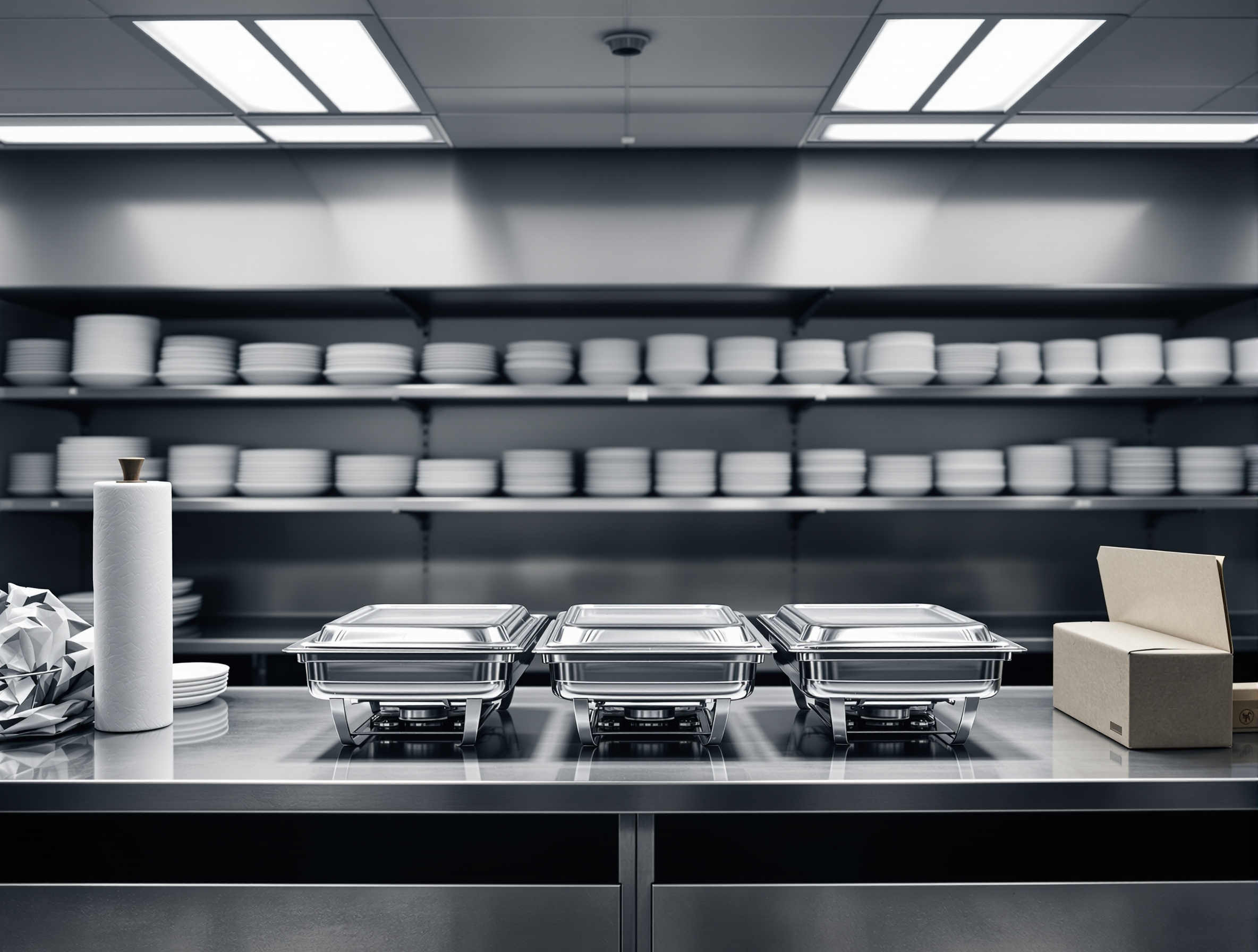
Guest count directly affects your per-person cost, staffing needs, and equipment requirements. A party of 20 can be handled by one cook and a delivery driver. A party of 200 means you need a full crew, rented chafing dishes, and a truck. Some caterers charge a flat per-person rate that drops at higher counts, while others add a service fee for events over a certain size. Ask for a minimum and maximum guest count, not just a single number, so you can quote a range that protects you if attendance grows.

What menu type and service style should you clarify?
A breakfast buffet costs different ingredients and labor than a plated three-course dinner. Drop-off catering is simpler—you prepare, deliver, and leave—so your quote covers food and transport only. Buffet service adds setup and possibly a attendant. Plated service requires servers, a timeline, and often a venue kitchen. Ask the client if they want a set menu, a choice of two entrees, or a fully customized spread. The more specific they are, the tighter your quote can be.
The six details every catering quote needs
- Event date and time (plus backup dates if flexible)
- Confirmed guest count (minimum and maximum)
- Menu type: breakfast, lunch, dinner, or hors d'oeuvres
- Service style: buffet, plated, drop-off, or family-style
- Delivery address and venue access notes (loading dock, stairs, elevator)
- Dietary restrictions and allergies (gluten-free, vegan, nut allergies, etc.)
Why does the delivery address matter beyond the obvious?
The address isn't just for navigation. It tells you if the venue has a kitchen you can use, a loading dock for your truck, or stairs that require extra hands. A fifth-floor walk-up in a downtown building is a different job than a ground-floor banquet hall. Ask about parking, elevator access, and whether the client provides tables and linens or expects you to bring them. These details affect your labor cost and equipment list.
What about dietary restrictions?
Dietary restrictions are no longer optional to ask about. Gluten-free, vegan, dairy-free, and nut allergies are common. If you quote a menu and then find out half the guests can't eat it, you're either reworking the menu at cost or disappointing the client. Ask upfront. You can offer a standard menu with modifications or a fully separate allergy-friendly option. This also protects you from liability if someone has a reaction.
What details should you leave out of the initial inquiry?
Don't ask for payment method, contract terms, or exact final menu selections in the first inquiry. Those come after the client accepts the quote. Asking for too much too early can scare off a lead who just wants a ballpark number. Keep the initial form short—date, guest count, event type, and contact info. Use a follow-up conversation or a guided form on your website to collect the deeper details. The goal is to get them talking, not to overwhelm them.

A quote without a confirmed guest count and service style is just a number that costs you money.
How can you capture these details automatically on your website?
A visitor lands on your catering page at 9 PM on a Sunday. They want a quote for a wedding next month. If your site only has a phone number and a contact form, they might leave and call a competitor on Monday. With a conversational concierge on your site, they can answer the six key questions in a guided chat: date, guest count, menu type, service style, address, and dietary needs. The concierge captures the details, checks your calendar, and either books a tasting or hands the lead to you with a pre-filled quote sheet. No back-and-forth emails, no missed information.
Common questions
What is the most common mistake caterers make when quoting?
Quoting without a confirmed guest count or service style. A per-person price for a buffet is different than for a plated dinner, and if the guest count changes, your margin disappears.
Should I include delivery fees in the initial quote?
Yes, but itemize them. List food cost, labor, delivery, and any equipment rental separately so the client sees what they're paying for and you can adjust if they drop a service.
What if the client has last-minute dietary requests?
Build a buffer into your quote for substitutions. Common practice is to allow menu changes up to 72 hours before the event without additional cost, then charge a modification fee after that.
Give your website a voice
Pet Buddy greets every visitor, answers in English or Spanish, and books the next step - live in minutes.
See it live